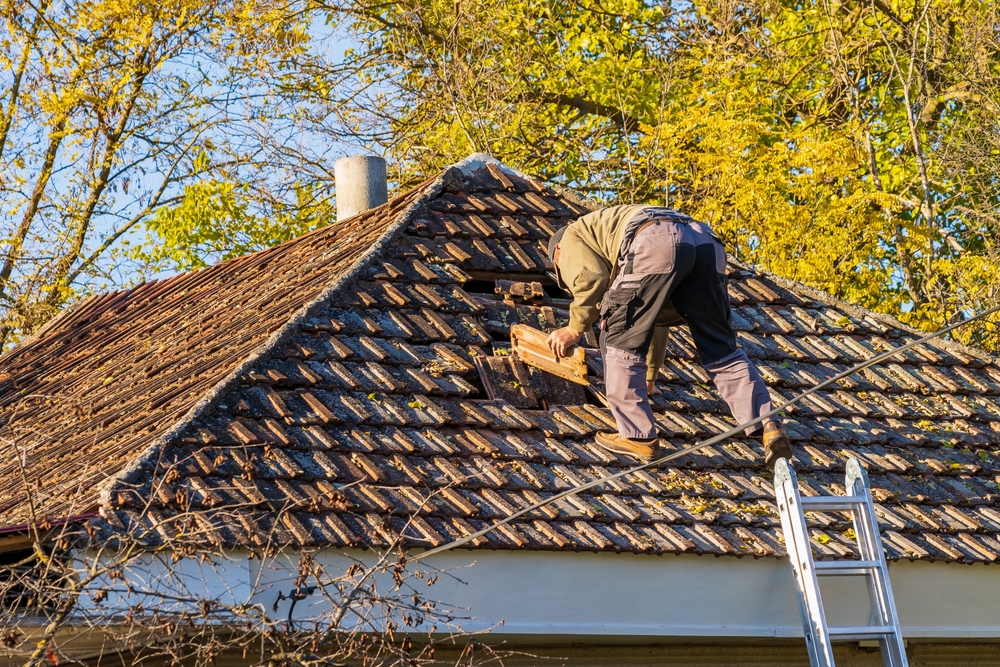
Your roof is your home’s first line of defense, but in a place like San Diego—where the sun shines nearly year-round and salt air rides on every breeze—your roofing system works harder than you think. The damage may not always be visible, but small issues can lead to expensive leaks, structural problems, and energy inefficiency if ignored.
At Pioneer Roofing, we’ve been innovating roofing in San Diego since day one. As a family-owned company, we care about protecting local homes with precision and modern solutions. By using thermal scanners, drones, and AI, we create smarter roofing systems that don’t just protect your home—they help you save up to 30% in future energy costs by optimizing insulation and efficiency.
This offers a month-by-month breakdown of how to take care of your roof in San Diego’s unique coastal climate—so you can prevent leaks, avoid surprise repairs, and extend the life of your roof.
January: Inspect After Rainfall
Even though San Diego has a mild winter, January can bring a few rainstorms. After any downpour, do a quick exterior check:
- Look for loose shingles or debris on the roof or around the home
- Check the attic for moisture, dark spots, or musty smells
- Ensure gutters and downspouts are draining properly
Pioneer Roofing Tip:
Use this time to schedule a thermal scan inspection. Even small amounts of trapped moisture can lead to mold or rot later in the year.
February: Look for UV Wear
It might still be cool outside, but UV rays in San Diego never really take a break. February is a great time to check for:
- Shingles that are cracking, curling, or losing granules
- Areas where sunlight is entering the attic
- Paint bubbling or fading around roof edges
UV degradation may not cause immediate leaks, but it weakens your roofing structure over time and contributes to insulation failure.
March: Spring Gutter Cleaning
Leaves, dust, and debris from winter settle in your gutters, especially near eucalyptus or palm trees. Clogged gutters lead to:
- Overflow and fascia damage
- Water pooling at the roofline
- Increased risk of roof rot
Pioneer Roofing Tip:
We recommend drone-assisted inspections to safely check for debris and gutter separation—especially in multi-level homes.
April: Prep for Coastal Winds
As temperatures rise, spring winds can loosen shingles, flashing, or ridge vents. In April:
- Check the edges and peaks of your roof for movement
- Re-seal or replace any lifted flashing
- Secure satellite dishes or solar attachments
With AI-based analysis, Pioneer Roofing can determine which areas of your roof are most vulnerable to wind uplift—and reinforce them before summer.
May: Watch for Mold and Mildew
May brings moisture and humidity, especially in shaded or coastal areas. Mold can form underneath tiles or around poorly ventilated eaves. You might notice:
- Dark streaks on shingles
- A musty smell in attic spaces
- Condensation under eaves or solar panels
These are signs of poor airflow and insulation—an issue we resolve using thermal scanning and strategic ventilation upgrades.
June: Mid-Year Energy Efficiency Check
By June, your energy bills may start creeping up. This is the perfect time to:
- Inspect attic insulation for deterioration
- Look for radiant heat buildup under the roof
- Evaluate if your roofing system is reflecting or absorbing sunlight
Pioneer Roofing Insight:
We use AI technology to design and retrofit roofing systems that reduce heat gain in the attic—saving homeowners up to 30% on cooling bills during peak summer.
July: Beat the Heat Before It Beats Your Roof
July brings the hottest days of the year—and San Diego roofs take the brunt of it. High UV and radiant heat can:
- Dry out membranes
- Crack shingles
- Cause premature wear on sealants
A high-resolution drone inspection can catch surface deterioration before you even see a leak. Don’t wait until August to find out your roof has been cooking all summer.
August: Check for Ventilation Stress
Roof vents are critical during summer. Poor airflow causes:
- Heat buildup
- Insulation breakdown
- Excess moisture from trapped humidity
Schedule a ventilation analysis this month. We’ll assess your airflow using thermal mapping and smart diagnostics to keep your roof—and your energy bills—balanced.
September: Prepare for Fall Showers
September often surprises San Diegans with early fall showers, especially inland. This month, prioritize:
- Sealing roof transitions (valleys, flashings, vents)
- Re-caulking around skylights and chimneys
- Inspecting underlayment if your roof is over 10 years old
Small leaks often start here—and grow silently. With Pioneer Roofing’s AI-inspection process, we catch them before they become visible damage.
October: Clean Debris and Trim Trees
As leaves begin to fall, debris builds up faster than you expect. Keep your roof safe by:
- Clearing off any branches, twigs, or palm fronds
- Trimming overhanging trees
- Inspecting for nesting animals or insects under roof tiles
Organic debris traps moisture and invites decay—especially dangerous in tile or wood shake systems.
November: Inspect for Cracks and Shifting Materials
Cooler nights and warm days create expansion and contraction stress on roofing materials. In November:
- Look for cracked tiles or shingles
- Check that metal flashing hasn’t lifted or warped
- Assess structural seams for movement
Our drone mapping tools can measure surface shifts down to the inch—flagging potential issues months before a leak shows up.
December: End-of-Year Full Roof Health Report
Before the holidays hit, book a full annual inspection. This is when we combine:
- Thermal imaging to detect moisture and insulation gaps
- Drone surveillance for exterior visual mapping
- AI modeling to determine roof health, lifespan, and energy loss
With Pioneer Roofing, this isn’t a basic checkup—it’s a performance audit designed to increase your home’s resilience, safety, and efficiency.
Why Monthly Roofing Maintenance Pays Off in San Diego
You may think San Diego’s climate is gentle—but UV radiation, salt air, and subtle temperature shifts are constantly working to weaken your roofing system.
When left unchecked, small problems become:
- Expensive repairs
- Higher energy bills
- Premature roof replacement
We’ve seen it all at Pioneer Roofing, and our smart tools allow us to spot and stop damage early, saving homeowners thousands.
How Pioneer Roofing Helps You Stay Ahead
Our clients don’t have time to scale roofs or crawl through attics. That’s why we built our company on innovation—so we can do the heavy lifting for you with:
Thermal scanners to detect heat and moisture issues
Drones to inspect areas you can’t safely access
AI planning that models airflow, energy use, and repair forecasting
Proactive scheduling that alerts you when your roof needs attention
The result? A home that’s safer, more efficient, and protected for years to come.
How We Can Help
At Pioneer Roofing, we don’t believe in temporary fixes—we believe in future-proof roofing. As San Diego’s family-owned leader in roofing innovation, we combine technology, experience, and genuine care to make sure your roof is doing more than just keeping out the rain.
With our month-by-month seasonal care plans, you’ll avoid costly surprises, reduce energy waste, and extend the lifespan of your entire roofing system. From thermal imaging to AI-driven efficiency, we help San Diego homeowners build smarter from the top down.
Ready to protect your roof all year long?
Let us give your home the performance advantage it deserves. Contact Pioneer Roofing today for a high-tech, no-pressure inspection—and discover what smarter roofing looks like.