
Most roofing materials come with impressive promises—30-year shingles, 50-year tile systems, even lifetime warranties. But if you’ve managed commercial, multi-family, or residential properties in San Diego for long enough, you know these numbers rarely tell the full story.
At Pioneer Roofing, a family-owned roofing company based in San Diego, we’ve completed over 5,000 roof inspections across homes, HOAs, retail centers, and industrial buildings. And the reality is this: actual roof lifespan in San Diego almost never matches the marketing.
Why? Because roofing longevity isn’t just about material—it’s about environment, installation, and innovation. And in a region like San Diego, where roofs face salt air, year-round UV exposure, thermal cycling, and irregular rainfall, the true lifespan of your roof depends on how well it’s monitored, maintained, and optimized for energy efficiency.
We break down what our data reveals about how long roofs really last in San Diego, what shortens their life, and how our innovative approach using drones, thermal scanners, and AI-powered diagnostics helps our clients extend roof lifespan and cut future energy costs by up to 30%.
What Manufacturers Promise vs. What We Actually See
Here’s what roofing manufacturers typically claim:
- Asphalt shingles: 20–30 years
- Clay or concrete tile: 40–50 years
- Metal roofing: 40–70 years
- Flat roofs (TPO, PVC, BUR): 20–25 years
Now, here’s what our inspection data across 5,000+ San Diego roofs actually shows:
- Asphalt shingles: Begin showing energy efficiency loss after 10–12 years; major degradation by year 15–18.
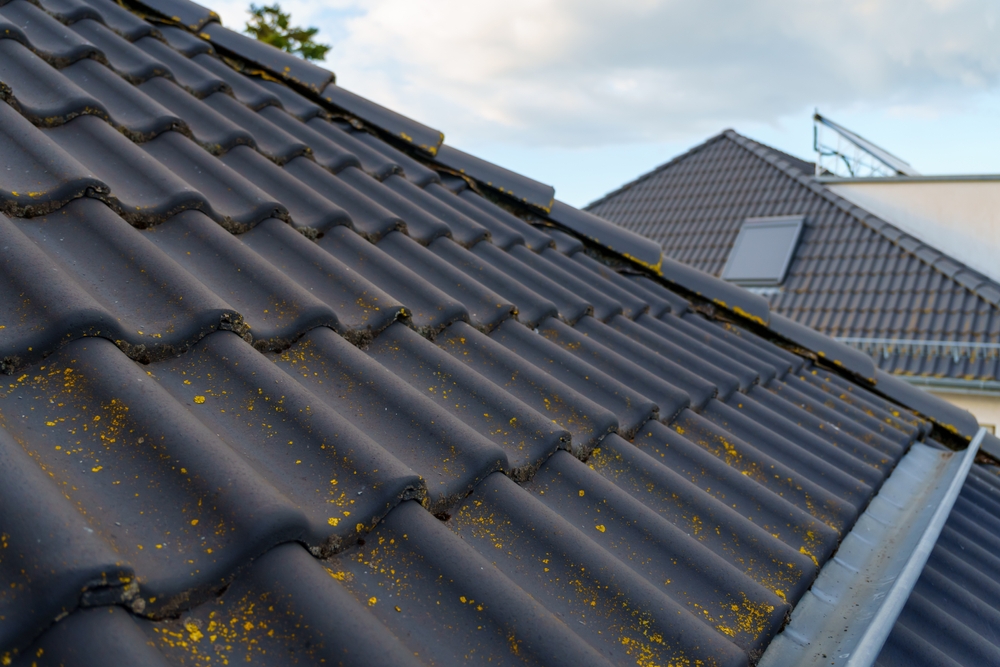
- Tile roofing systems: Tiles may last 40+ years, but underlayment fails between year 18–25 without proactive upgrades.
- Metal roofs: Show excellent durability, but poor installation leads to early seam or flashing issues by year 12–15.
- Flat roofs: Often experience ponding, UV breakdown, or vent deterioration as early as year 8–12.
What’s the biggest factor in shortening roof life? Environmental stress combined with a reactive maintenance approach.
San Diego’s Climate Is More Brutal Than It Looks
San Diego may be known for its beautiful weather, but from a roofing perspective, the climate is more aggressive than it seems. Here’s what’s quietly damaging roofs across the region:
1. Year-Round UV Exposure
UV radiation is roofing’s invisible enemy. It dries out asphalt shingles, weakens sealants, and breaks down synthetic membranes, causing materials to become brittle, cracked, and less reflective—leading to higher attic heat and faster wear.
2. Salt Air Corrosion
If your property is within 15 miles of the coast (and most in San Diego are), you’re dealing with salt particles in the air that accelerate corrosion in flashing, nails, fasteners, vents, and even the top layer of membranes.
3. Thermal Expansion and Contraction
San Diego roofs experience wide temperature swings between day and night. These fluctuations cause roofing materials to expand and contract repeatedly, leading to cracking at joints, lifting at edges, and eventually leaks or energy loss.
4. Minimal Rain—Then Sudden Downpours
Our roofs endure long dry periods, which make micro-cracks go unnoticed—until a storm hits, and water finds a way in. This often leads to hidden insulation damage and internal wood rot.
What Our Inspections Reveal Beyond Visible Damage
Thanks to our investment in technology, our inspections go far deeper than surface-level checks.
We use:
- Drone imaging to safely survey the full roof and capture areas of sagging, ponding, or shifting materials
- Thermal scanners to detect hot zones, insulation breakdown, trapped moisture, and uneven airflow
- AI software to calculate the remaining useful life of each component and simulate heat loss or moisture intrusion over time
From this, we’ve learned that most roofing failures begin invisibly—long before any water stains appear inside. And by the time symptoms are visible, repair costs have already multiplied.
The Energy Cost of an Aging Roof
In our inspections, one of the most shocking trends we see is just how much cooling and heating efficiency drops as roofing materials degrade.
Here’s what we typically find:
- Roofs older than 10 years with no upgrades are 15–25% less efficient
- Homes or buildings with ponding issues on flat roofs are losing 5–8°F of attic cooling capability
- Failing insulation under tile or shingle systems often causes $100–$150 extra per month in energy bills for large properties
- Roofs with UV-degraded reflectivity are absorbing 2x more heat in the summer
When we upgrade roofing systems using our energy-efficiency approach, we regularly help our clients reduce energy consumption by 20–30%—simply by restoring airflow, insulation, and material performance.
What Property Owners Can Do to Extend Roof Lifespan
Whether you manage a single-family home, an HOA, or a commercial building, the best way to maximize your roof’s life is to switch from reactive to proactive care. Here’s what that means:
Schedule Annual Smart Inspections
Have your roof inspected once a year using drone and thermal imaging. This reveals small problems before they grow—and gives you a clear picture of aging, wear, and energy loss.
Upgrade Before It Fails
We always tell clients: don’t wait for a leak to start planning. Roofing systems upgraded proactively—especially underlayment and insulation—can extend life by 10+ years and reduce ongoing energy costs.
Monitor Energy Performance
If your energy bills keep rising, your roof may be the reason. We use AI modeling to show exactly how much heat is escaping or being absorbed—and how to fix it.
Implement a Preventive Maintenance Plan
Debris removal, flashing reinforcement, sealant replacement, and drainage checks should be done regularly. It’s far cheaper to maintain than to replace.
Choose the Right Material and System for San Diego
At Pioneer Roofing, we design roofing systems tailored to San Diego’s climate—not just based on material specs, but based on thermal performance and salt-air resilience.
What Pioneer Roofing Offers That Others Don’t
We’re not just roofers. We’re roof performance engineers—and we’re proud to be a family-owned company that leads the way in roofing innovation for San Diego.
What makes us different?
- Over 5,000+ inspections and data points from local homes and commercial properties
- Thermal scanning, drone mapping, and AI diagnostics on every inspection
- Roofing systems designed to cut energy costs by up to 30%
- Proactive maintenance and monitoring plans for HOAs and commercial clients
- Honest, no-pressure reports that help property owners plan smartly and avoid emergency surprises
We believe a roof shouldn’t just protect your building—it should enhance its performance, reduce its energy footprint, and last longer through smart design.
At Pioneer Roofing, we combine our local experience with powerful tools—thermal scanners, drones, and AI modeling—to help San Diego homeowners, HOAs, and property managers get the most out of every roof.
Schedule your smart roof inspection today, and see what your roof is really telling you—before it costs you more.