
As a property manager in San Diego, you’re responsible for more than just keeping tenants happy—you’re also the first line of defense against costly structural issues that can quietly drain budgets and damage reputations. One of the most overlooked areas of building care? The roof.
Waiting until a roof leaks is not a strategy—it’s a liability. At Pioneer Roofing, we’ve worked with commercial property managers throughout San Diego who learned the hard way that proactive inspections save exponentially more money than reactive repairs.
Our family-owned roofing company is known for doing things differently. We use drones, thermal scanners, and AI-enhanced diagnostics to uncover issues other contractors miss. Our innovations can increase roofing efficiency and reduce energy bills by up to 30%, and it all starts with regular inspections.
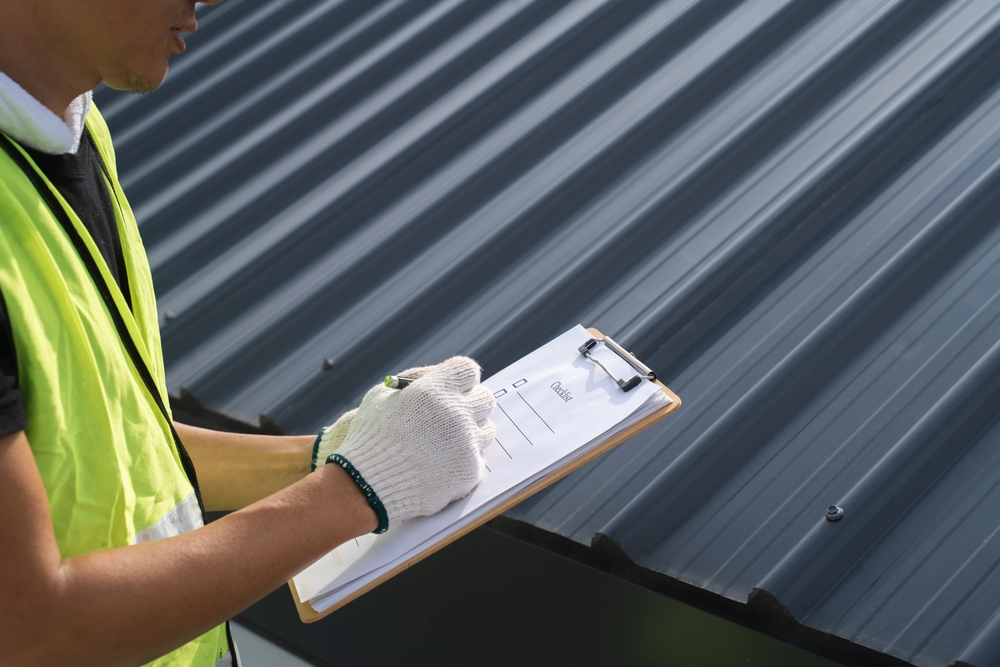
This will walk you through a 12-point commercial roof inspection checklist every property manager should use at least twice per year—ideally in spring and fall, before and after the most weather-variable months.
Why Twice-Yearly Roof Inspections Are Non-Negotiable
Here’s what regular commercial roof inspections help you prevent:
- Hidden moisture intrusion
- Structural deterioration
- Mold and mildew development
- HVAC inefficiencies from poor insulation
- Premature roof replacements
- Insurance claim denials due to “neglect”
- Emergency repair shutdowns or tenant disruptions
Your roof protects your building’s most valuable assets—including your tenants, equipment, and systems. But even the strongest flat roof systems in San Diego’s coastal climate are vulnerable to UV radiation, salt air, and thermal expansion.
A simple twice-yearly inspection could mean the difference between a $500 maintenance task and a $50,000 structural repair.
The 12-Point Commercial Roof Inspection Checklist
At Pioneer Roofing, we’ve developed a smart, strategic framework for inspecting commercial roofs. Here are the 12 essential elements that should be reviewed during every biannual inspection:
1. Surface Membrane Condition
Look for:
- Cracks, blisters, or punctures in TPO, EPDM, or modified bitumen surfaces
- Discoloration or brittleness from UV damage
- Areas of delamination or membrane separation
We use drone surveys and on-foot inspections to catch these surface issues before they develop into leaks.
2. Ponding Water
Even small pools of standing water can:
- Add significant weight to the structure
- Degrade membrane adhesives
- Promote algae, mold, and material breakdown
We use thermal imaging to track ponding and AI-assisted slope diagnostics to plan long-term drainage solutions.
3. Flashing and Seams
These are critical waterproofing elements where materials meet or overlap—such as walls, HVAC curbs, and skylights.
Look for:
- Cracked, lifted, or deteriorating sealant
- Rust or corrosion
- Improper installation
Most leaks originate at poorly maintained flashings—not the field membrane itself.
4. Roof Penetrations and Equipment Bases
Every pipe, vent, HVAC unit, or antenna is a potential weak point.
Ensure:
- Proper flashing and sealing around every unit
- No shifting or cracking of mounting bases
- Drainage paths are not obstructed by installations
We scan these areas using both visual inspections and infrared thermal data to detect hidden failures.
5. Drainage Systems
Poor drainage is a major cause of roof damage in flat commercial roofs.
Check:
- Interior drains for clogs or slow flow
- Scuppers and gutters for debris
- Downspouts for proper water movement away from the building
Blocked drainage is a fast path to water intrusion, especially after storms.
6. Perimeter Details
Perimeter flashing, edge metal, coping caps, and parapet walls must all be intact and sealed.
Inspect for:
- Gaps between coping and wall
- Missing or rusted fasteners
- Cracked sealants from expansion/contraction
Salt-laden San Diego air can corrode metal faster than in inland areas—so pay extra attention to edges.
7. Insulation Integrity
This is where energy efficiency is won or lost.
Warning signs of failed insulation include:
- Soft or spongy roof areas underfoot
- Uneven roof temperatures on thermal scans
- High energy bills with no change in tenant behavior
Our thermal scanners can pinpoint insulation failure and guide recommendations to improve performance by up to 30%.
8. Ventilation Performance
Improper airflow through the roof structure leads to heat retention, moisture buildup, and material failure.
Ensure:
- All vents are clear and unblocked
- Mechanical ventilation systems are functioning
- Exhaust vents aren’t pushing moisture directly onto the roof
Ventilation is critical in San Diego’s warm climate, especially for energy-intensive properties.
9. Roof Access and Safety Infrastructure
If the building has rooftop walkways, railings, or service access points:
- Check for structural damage or loose components
- Ensure safety paths are not blocked by debris or ponding
- Confirm access panels are sealed and secure
This is key not only for maintenance but for OSHA compliance and tenant/vendor safety.
10. Interior Signs of Roof Damage
Don’t forget to inspect ceilings and attic or mechanical spaces directly beneath the roof:
- Water stains or sagging tiles
- Mold smells
- Rust on ceiling-mounted systems
This helps trace any damage that may not yet be visible externally but is already impacting interior operations.
11. Skylights and Daylighting Systems
Inspect glazing, seals, and curbs for:
- Cracks
- Condensation buildup
- Poor drainage or ponding around the base
These areas often degrade faster and lead to unseen leaks around their framing.
12. Energy Efficiency Assessment
Using data collected from thermal imaging and drone flyovers, analyze:
- Heat retention zones
- Reflectivity of surface materials
- Potential for solar upgrades or cool roofing enhancements
Pioneer Roofing includes this as a default in all inspections—we don’t just protect your roof; we optimize its long-term performance.
Why Property Managers Love Pioneer Roofing’s Inspection Program
We’ve built a reputation in San Diego for providing clear, visual reports that property managers can share with building owners and boards.
Our biannual inspection service includes:
- Drone photos and videos of roof condition
- Thermal imaging heat maps
- AI-generated reports with repair timelines
- Energy-saving upgrade suggestions
- Documentation for insurance, warranties, and capital planning
We help you forecast costs, schedule repairs, and reduce emergency calls—all while helping the property operate more efficiently.
How We Can Help
At Pioneer Roofing, we’re redefining what it means to care for commercial roofs. Our family-owned team blends traditional customer service with the latest roofing technology to help property managers:
- Detect problems before they grow
- Extend roof lifespan with smart maintenance
- Lower operating costs with better insulation and airflow
- Prevent warranty or insurance conflicts with documented upkeep
- Plan for upgrades, not react to emergencies
Don’t wait for a leak to act. Let’s put a smart inspection plan in place that saves time, stress, and money—twice a year, every year.
Contact Pioneer Roofing today to schedule your next inspection or request a sample of our 12-point checklist report. Let’s make your commercial roof a long-term asset—not a ticking liability.