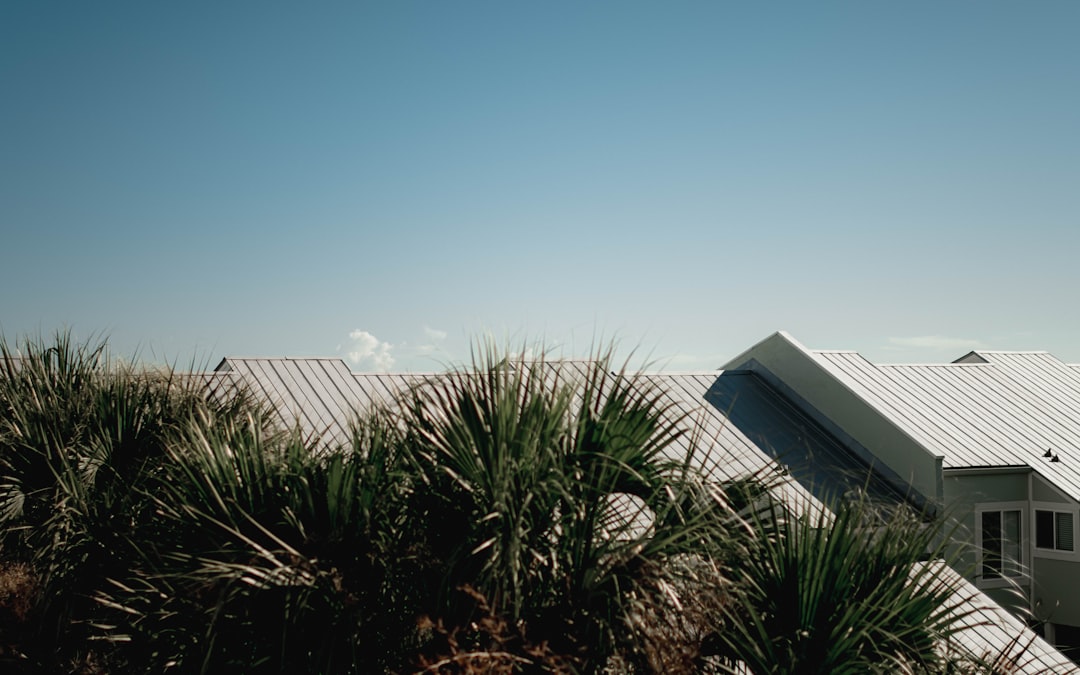
When embarking on a roofing project, it is crucial to first understand the climate and environmental factors that will influence the choice of materials and design. Different regions experience varying weather patterns, which can significantly impact the longevity and performance of a roof. For instance, areas prone to heavy rainfall or snow accumulation require roofing systems that can effectively shed water and withstand the weight of snow.
In contrast, regions with high temperatures and intense sunlight may necessitate materials that reflect heat and provide adequate insulation to maintain comfortable indoor temperatures. Moreover, environmental factors such as humidity, wind speed, and exposure to salt air in coastal areas also play a vital role in determining the best roofing options. High humidity can lead to mold and mildew growth, making it essential to select materials that resist moisture.
Similarly, high winds can lift shingles or tiles, so roofs in these areas must be designed to withstand such forces. Understanding these climatic nuances not only helps in selecting the right roofing materials but also ensures that the roof will perform optimally throughout its lifespan, reducing the need for frequent repairs or replacements. San Diego Residential Roofing is the best choice for all your roofing needs in the San Diego area.
Key Takeaways
- Climate and environmental factors play a crucial role in determining the best roofing materials and styles for your home.
- Assess the current roofing situation to identify any damage, leaks, or areas in need of repair or replacement.
- Explore different roofing materials and styles to find the best option for your home’s aesthetic and functional needs.
- Consider long-term durability and maintenance requirements when choosing a roofing material to ensure it will last for years to come.
- Find a reputable and experienced roofing contractor to ensure quality installation and reliable service for your roofing project.
Assessing the Current Roofing Situation
Before making any decisions regarding a new roof, it is imperative to assess the current roofing situation thoroughly. This assessment involves inspecting the existing roof for signs of damage, wear, or structural issues. Homeowners should look for missing shingles, leaks, or sagging areas that may indicate underlying problems.
A detailed inspection can reveal whether a simple repair will suffice or if a complete roof replacement is necessary. Additionally, evaluating the age of the current roofing system is essential; most roofs have a lifespan of 20 to 30 years, depending on the materials used. In some cases, homeowners may choose to hire a professional roofing inspector to conduct a comprehensive evaluation.
These experts can identify issues that may not be immediately visible to the untrained eye, such as damage to the underlayment or issues with ventilation. Understanding the current state of the roof is critical for making informed decisions about repairs or replacements and can help homeowners avoid costly mistakes down the line.
Exploring Different Roofing Materials and Styles

The market offers a wide array of roofing materials and styles, each with its unique advantages and aesthetic appeal. Traditional asphalt shingles are among the most popular choices due to their affordability and ease of installation. They come in various colors and styles, allowing homeowners to customize their roofs to match their home’s architecture.
However, while asphalt shingles are cost-effective, they may not offer the same longevity as other materials. Metal roofing has gained popularity in recent years due to its durability and energy efficiency. Available in various styles, including standing seam and corrugated panels, metal roofs can last 50 years or more with proper maintenance.
They are also resistant to fire and can reflect solar heat, making them an excellent choice for hot climates. On the other hand, slate and tile roofs provide a timeless elegance and exceptional durability but come with a higher price tag and require more structural support due to their weight. Additionally, eco-friendly options such as green roofs or solar shingles are becoming increasingly popular as homeowners seek sustainable solutions.
Green roofs involve planting vegetation on rooftops, providing insulation and reducing stormwater runoff. Solar shingles integrate photovoltaic technology into traditional roofing materials, allowing homeowners to generate their electricity while maintaining an attractive roofline. Each material and style has its pros and cons, making it essential for homeowners to consider their specific needs and preferences when exploring options.
Considering Long-Term Durability and Maintenance
| Aspect | Metric |
|---|---|
| Material | Expected lifespan |
| Construction | Maintenance requirements |
| Finishes | Resistance to wear and tear |
| Installation | Long-term stability |
When selecting roofing materials, long-term durability and maintenance requirements should be at the forefront of decision-making. Some materials require minimal upkeep, while others may necessitate regular inspections and repairs to ensure they remain in good condition over time. For instance, metal roofs are known for their longevity and resistance to various environmental factors; however, they may require periodic inspections for rust or corrosion in certain climates.
In contrast, wood shake roofs offer a natural aesthetic but demand more maintenance due to their susceptibility to rot and insect damage. Homeowners must be prepared for regular treatments to protect against these issues if they choose wood as their roofing material. Additionally, understanding the warranty associated with each material can provide insight into its expected lifespan and maintenance needs.
Many manufacturers offer warranties ranging from 20 years to a lifetime, depending on the material’s quality. Furthermore, considering local climate conditions is essential when evaluating durability. For example, roofs in areas with heavy snowfall must be designed to handle significant weight without compromising structural integrity.
Similarly, homes in hurricane-prone regions should prioritize materials that can withstand high winds and flying debris. By factoring in these considerations, homeowners can make informed choices that align with their long-term goals for durability and maintenance.
Finding a Reputable and Experienced Roofing Contractor
Selecting a reputable and experienced roofing contractor is one of the most critical steps in any roofing project. A skilled contractor not only ensures that the installation is performed correctly but also provides valuable insights into material selection and design options based on local building codes and climate considerations. Homeowners should begin their search by seeking recommendations from friends, family, or neighbors who have recently completed roofing projects.
Once potential contractors have been identified, it is essential to conduct thorough research on their credentials. Checking for proper licensing and insurance coverage protects homeowners from liability in case of accidents during installation. Additionally, reading online reviews and testimonials can provide insight into a contractor’s reputation within the community.
It is also advisable to request references from previous clients to gauge their satisfaction with the contractor’s work. Moreover, obtaining multiple quotes from different contractors allows homeowners to compare pricing and services offered. However, it is crucial not to base decisions solely on cost; the lowest bid may not always reflect quality workmanship or materials used.
Engaging in open communication with potential contractors about project timelines, warranties, and maintenance plans can help establish a solid working relationship built on trust and transparency.
Budgeting and Financing Options for Roofing Projects
Budgeting for a roofing project requires careful consideration of various factors, including material costs, labor expenses, and potential unforeseen issues that may arise during installation. Homeowners should begin by determining their overall budget for the project while accounting for additional expenses such as permits or inspections that may be required by local authorities. It is wise to set aside a contingency fund—typically around 10-20% of the total budget—to cover unexpected costs that may arise during the project.
Financing options are also available for homeowners who may not have sufficient funds upfront for a roofing project. Many contractors offer financing plans that allow homeowners to pay for their roofs over time through monthly installments. Additionally, some financial institutions provide home improvement loans specifically designed for projects like roofing replacements or repairs.
These loans often come with competitive interest rates and flexible repayment terms. Homeowners should also explore potential tax credits or rebates associated with energy-efficient roofing materials or systems. In some cases, upgrading to energy-efficient options may qualify for incentives that can help offset costs.
By thoroughly researching budgeting strategies and financing options, homeowners can make informed decisions that align with their financial capabilities while ensuring their roofing needs are met effectively.
Obtaining Necessary Permits and Insurance Coverage
Before commencing any roofing project, it is essential to obtain the necessary permits required by local building authorities. These permits ensure that the work complies with local building codes and regulations designed to protect public safety. The specific permits required can vary depending on location; therefore, homeowners should consult with their contractor or local government offices to determine what is needed for their project.
In addition to permits, ensuring adequate insurance coverage is crucial for protecting both homeowners and contractors during the roofing process. Homeowners should verify that their contractor carries liability insurance to cover any damages that may occur during installation. This coverage protects against accidents that could result in property damage or injury on-site.
Furthermore, homeowners should review their homeowner’s insurance policy to understand what coverage is provided for roof repairs or replacements. Failing to secure proper permits or insurance can lead to significant legal issues down the line, including fines or complications when filing insurance claims related to roof damage. By proactively addressing these requirements before starting a roofing project, homeowners can mitigate risks associated with non-compliance while ensuring peace of mind throughout the process.
Making the Best Decision for Your Home and Family
Ultimately, making the best decision regarding roofing involves careful consideration of all factors discussed throughout this article—climate conditions, current roof assessment, material options, durability concerns, contractor selection, budgeting strategies, permits, and insurance coverage. Each element plays a vital role in ensuring that the chosen roofing solution meets both aesthetic preferences and functional needs. Homeowners should take their time during this decision-making process rather than rushing into choices based solely on price or appearance.
Engaging family members in discussions about preferences can also lead to more satisfying outcomes that reflect everyone’s needs and desires. By prioritizing thorough research and thoughtful planning at every stage of the project—from initial assessments through final installations—homeowners can achieve a roofing solution that enhances their home’s value while providing safety and comfort for years to come. In conclusion, investing time in understanding all aspects of a roofing project will ultimately lead to better outcomes for both homes and families alike.
Whether opting for traditional asphalt shingles or innovative solar panels, making informed decisions ensures that every homeowner can enjoy peace of mind knowing they have chosen wisely for their living space.
If you’re considering a roofing project in Ocean Beach, you might find it helpful to explore related resources that can guide you through the process. One such resource is an article on the top roofers in San Diego, which provides a comprehensive guide to finding the best professionals in the area. This can be particularly useful if you’re looking for expert advice or services to ensure your roofing project is completed to the highest standards. For more information, you can read the full article by visiting Top Roofers in San Diego: Your Ultimate Guide.