
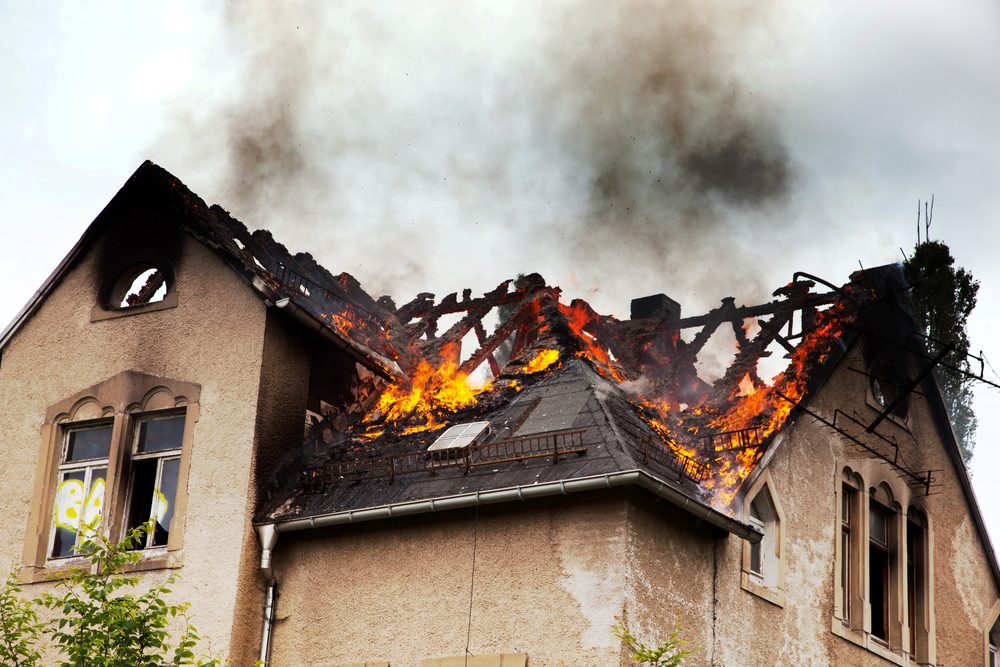
Wildfire season in Southern California is no longer a rare event—it’s an annual reality. With rising temperatures, drier landscapes, and unpredictable wind patterns, the threat of wildfires is increasing for homeowners and property managers across San Diego County. While you can’t control the weather, you can control how well your home is prepared—and your roof is the first and most critical line of defense.
At Pioneer Roofing, a family-owned roofing company based in San Diego, we understand that roofing isn’t just about looks or leaks anymore—it’s about protection, performance, and prevention. That’s why we’ve invested in cutting-edge technology like drones, thermal scanners, and AI-driven planning to build roofs that aren’t just durable, but smarter and safer. Our roofing systems don’t just reduce the risk of wildfire damage—they also lower long-term energy costs by up to 30% through strategic insulation and airflow design.
This is your complete guide to fire-resistant roofing in San Diego: how it works, what materials are best, how wildfire risk affects insurance and property value, and how we help you stay one step ahead with innovation-driven roofing solutions.
Why Fire-Resistant Roofing Matters in San Diego
In many San Diego neighborhoods, especially near the urban-wildland interface, a single ember carried by wind can ignite a rooftop fire—even if flames are hundreds of feet away. This is called ember attack, and it’s responsible for the majority of homes lost to wildfires.
According to Cal Fire, the roof is the most vulnerable part of your structure during wildfire events.
Why?
- It’s the largest exterior surface of the home
- It’s directly exposed to falling embers and radiant heat
- It often includes flammable underlayment or outdated materials
- Vents, overhangs, and skylights are common entry points for flame and heat
If your roof isn’t Class A fire-rated and maintained properly, your home is at higher risk—regardless of how fire-resistant your siding or landscape may be.
What Is Class A Fire-Rated Roofing?
Roofing materials are graded based on their resistance to fire spread and penetration. The most desirable rating is Class A, which means the material can withstand:
- Severe exposure to fire
- Burning embers
- Radiant heat
- Flame spread across the surface
Class A roofing systems provide the highest level of protection, and are often required in fire-prone zones across San Diego. These systems are not only about the top layer (tile, shingle, etc.)—they must include fire-resistant underlayment and installation methods as well.
At Pioneer Roofing, all of our fire-resistant roofing systems are built to meet or exceed Class A standards, while also offering improved insulation and energy savings.
Fire-Resistant Roofing Materials That Perform in San Diego
Here are the most common fire-resistant roofing materials we recommend for San Diego properties:
1. Clay and Concrete Tile
- Naturally non-combustible
- Long lifespan (40–50+ years)
- Offers excellent thermal resistance
- Requires proper underlayment and edge sealing to prevent ember intrusion
Tile roofs are common in San Diego, but many are decades old and lack modern fire-rated layers underneath. We often retrofit these systems with new breathable, fire-resistant membranes and seal vulnerable gaps using AI-modeled airflow simulations.
2. Metal Roofing (Steel or Aluminum)
- Class A fire rating when installed with approved underlayment
- Lightweight and durable
- Highly reflective, improving energy efficiency
- Resistant to both fire and salt-air corrosion
Metal roofing is rising in popularity for homes near Canyon Country, Rancho Bernardo, and East County, where wildfire risk is higher.
3. Asphalt Shingles (Class A Rated)
- Affordable and easy to install
- Class A available with fiberglass-reinforced matting
- Less durable under extreme UV and thermal stress compared to tile or metal
We recommend high-performance asphalt shingles only when paired with advanced underlayment and thermal barriers to reduce attic heat and boost fire resistance.
4. Flat Roof Systems (TPO, PVC, Modified Bitumen)
- Can be Class A when paired with the right fire-retardant substrate
- Common for commercial and multifamily properties
- Must be carefully maintained for drainage and membrane integrity
We inspect these roofs using drones and thermal scanners to detect hot zones, ponding water, and surface deterioration—critical for keeping flat roofs fire-resistant and energy-efficient.
Hidden Risk: Vents, Skylights, and Eaves
Even if your roofing material is fire-rated, the weakest link is often in the details. Embers can enter through:
- Ridge vents
- Soffit vents
- Gaps under tiles
- Unsealed skylights or flashing
That’s why at Pioneer Roofing, we not only inspect the surface but also use drone imaging and airflow modeling to locate these vulnerabilities. We seal or screen them appropriately and integrate ember-resistant attic ventilation systems that maintain airflow while blocking fire intrusion.
Energy Efficiency and Fire Safety Can Go Hand-in-Hand
One of the biggest myths is that a fire-resistant roof means sacrificing insulation or comfort. The opposite is true—a smart fire-rated roof is also more efficient.
Here’s how we integrate both:
- Radiant barriers and fire-resistant underlayment reduce heat gain
- Proper ventilation design expels hot air, keeping attic spaces cooler
- Reflective materials like coated metal or tile bounce UV radiation away
- AI-based thermal modeling helps us optimize your entire roofing assembly
The result? A roofing system that’s built to survive wildfire exposure and lower your energy bills by 20–30% during San Diego’s long warm seasons.
Fire Ratings, Insurance, and Real Estate Value
Did you know that homes with non-rated roofs may face:
- Higher insurance premiums
- Reduced eligibility for fire coverage in high-risk ZIP codes
- Lower resale value in fire-prone neighborhoods
- Failed fire-safety inspections during escrow or refinancing
We’ve worked with realtors, appraisers, and insurers across San Diego to help homeowners upgrade to Class A fire-rated roofs not just for safety—but also to protect their long-term financial investment.
And because our inspections include full documentation, thermal scans, and drone images, we provide clear evidence of your system’s condition and rating—helpful in insurance negotiations and real estate disclosures.
Our Smart Roofing Process for Fire-Prone Areas
When you hire Pioneer Roofing, you’re not getting an ordinary re-roof—you’re getting an intelligent, future-ready system. Here’s how we protect our clients before wildfire season:
Full Roof Evaluation
Includes thermal scanning, drone photography, and manual inspection of materials, underlayment, flashing, and ventilation systems.
Fire Risk Modeling
We assess ember exposure points, nearby vegetation, and heat-retaining roof zones.
Material Selection
We recommend and install the best fire-resistant materials for your home’s style, structure, and microclimate.
Airflow and Ember Defense
We upgrade ventilation using ember-blocking systems that allow proper air circulation while sealing out danger.
Energy Optimization
Our AI-powered tools simulate attic temperatures, radiant heat transfer, and energy loss—allowing us to design a roof that performs year-round.
How We Can Help
If you live in San Diego, wildfire preparation starts at the top—literally. Your roof is your home’s most exposed and most vulnerable surface during fire season. But with the right materials, smart design, and a partner like Pioneer Roofing, your roof can be your strongest defense.
We offer:
- Class A fire-rated roofing systems tailored for San Diego homes
- Thermal, drone, and AI-powered inspections to identify hidden risks
- Roofs that reduce energy use by up to 30% while improving fire resistance
- Transparent assessments and documentation for insurance and resale
- A commitment to innovation and quality from a family-owned San Diego team
Don’t wait until fire season is here. Let Pioneer Roofing help you build a roof that’s as smart, safe, and efficient as the rest of your home deserves to be.