
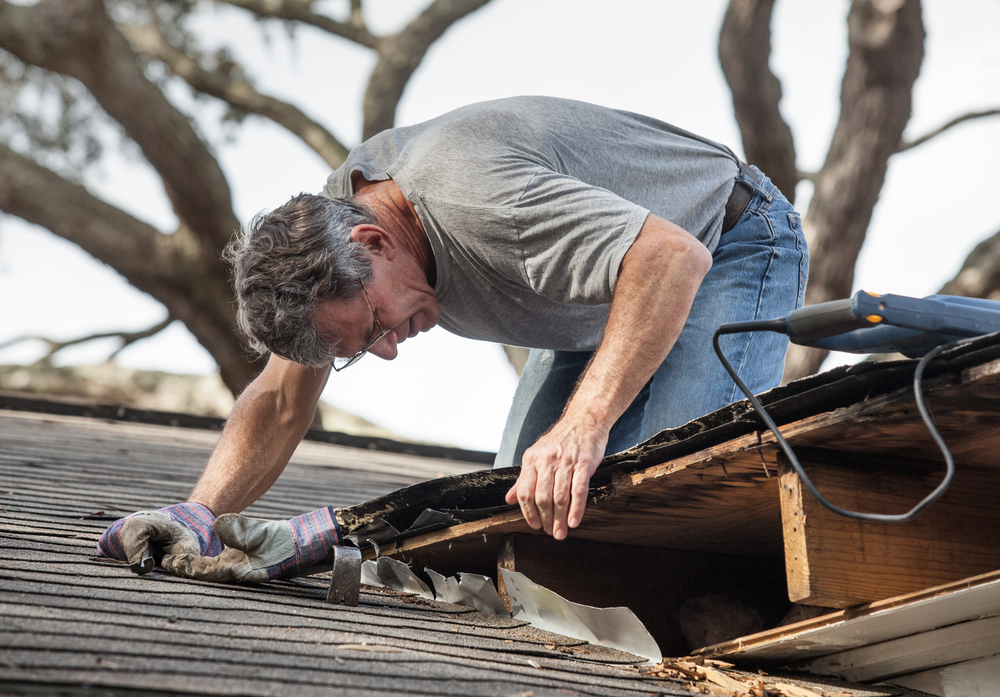
Storms in San Diego may not look like hurricanes in Florida or blizzards in the Midwest, but that doesn’t mean your roof escapes damage. In fact, San Diego storms are especially dangerous because roof damage often isn’t obvious right away. High winds, sudden rain, flying debris, and pressure changes can compromise your roof without leaving dramatic visual clues.
What many homeowners don’t realize is this: what you do in the first 24–72 hours after a storm can determine whether your insurance company pays your claim or denies it entirely.
At Pioneer Roofing, a family-owned roofing company based in San Diego, we’ve helped countless homeowners avoid denied claims and costly out-of-pocket repairs. What sets us apart is our innovative roofing approach—using thermal scanners, drones, and AI technology to document storm damage accurately and design roofs that are up to 30% more energy-efficient, reducing future heating and cooling costs.
Below are the five critical actions every homeowner must take immediately after a storm to protect insurance coverage, prevent further damage, and safeguard their financial investment.
Why Insurance Claims Get Denied After Storms
Before we dive into the five steps, it’s important to understand why insurance companies deny roof claims in the first place. The most common reasons include:
- Damage is labeled as “pre-existing”
- Homeowner failed to take immediate action to prevent further damage
- Insufficient documentation
- Missed reporting deadlines
- Damage classified as wear and tear instead of storm-related
None of these have anything to do with whether the storm actually caused damage. They are procedural and documentation issues—which means they’re preventable if you act quickly and correctly.
Step 1: Document Everything Immediately (Before You Touch Anything)
The very first thing you should do after a storm is document the condition of your roof and property exactly as it is.
This means:
- Take photos of shingles, tiles, flashing, gutters, and downspouts
- Photograph debris on or around the roof
- Capture water stains, ceiling marks, or attic moisture
- Note the date, time, and nature of the storm
Many homeowners make the mistake of cleaning up first and documenting later. Unfortunately, insurance companies may argue that damage occurred after the storm or during cleanup, weakening your claim.
At Pioneer Roofing, we use drone inspections to capture high-resolution images of storm damage safely and thoroughly. This documentation often becomes the foundation of a successful insurance claim.
Step 2: Prevent Further Damage Immediately (This Is Mandatory)
Insurance policies require homeowners to mitigate further damage. This does not mean you need to perform permanent repairs—but it does mean you must take reasonable steps to prevent the problem from getting worse.
Examples include:
- Covering exposed roof sections with tarps
- Redirecting water away from damaged areas
- Containing interior leaks with buckets or temporary barriers
Failing to do this gives insurers a powerful reason to deny part or all of your claim, arguing that additional damage occurred due to inaction.
Pioneer Roofing provides emergency roof stabilization and temporary protective measures that comply with insurance requirements while preserving evidence of the original damage.
Step 3: Schedule a Professional Roof Inspection Before the Adjuster Arrives
This is one of the most important—and most overlooked—steps.
Insurance adjusters are not roofing specialists. Many rely on quick visual inspections and may miss:
- Subsurface moisture
- Lifted or loosened shingles
- Compromised underlayment
- Heat-related damage caused by storm-driven ventilation failure
If you wait until after the adjuster visit to get a professional inspection, you lose leverage.
At Pioneer Roofing, we conduct advanced roof inspections using thermal scanners, drones, and AI-based analysis. These tools allow us to identify damage that isn’t visible to the naked eye and provide data-backed evidence that strengthens your claim.
This inspection often reveals damage that would otherwise be denied or undervalued.
Step 4: File Your Claim Promptly and Accurately
Insurance policies include strict reporting timelines. Waiting too long—even if the damage wasn’t obvious at first—can result in claim denial.
When filing your claim:
- Report the storm event accurately
- Describe the damage without minimizing it
- Reference your inspection findings
- Keep copies of all communications
Avoid guessing or speculating. Incorrect or vague descriptions can be used later to reduce coverage.
Pioneer Roofing helps homeowners understand what to report, how to report it, and how to align documentation with what insurance companies require—without exaggeration or risk.
Step 5: Do Not Approve Repairs or Settlements Until Damage Is Fully Assessed
One of the most expensive mistakes homeowners make is accepting an insurance settlement too quickly.
Once you approve a settlement or allow partial repairs:
- Additional damage may no longer be covered
- Supplemental claims become harder to file
- You may be responsible for future repairs out of pocket
Storm damage often affects energy efficiency, ventilation, and insulation—issues that may not appear until weeks later. A roof that looks “fixed” may still be costing you money every month in higher energy bills.
At Pioneer Roofing, we evaluate not only storm damage but also how that damage impacts long-term roof performance and energy efficiency. Our innovative approach often identifies improvements that reduce future heating and cooling costs by up to 30%—a critical factor insurers don’t consider unless it’s documented properly.
Why San Diego Roofs Are Especially Vulnerable After Storms
San Diego’s climate creates a unique risk profile for roofs:
- Sudden storms after long dry periods cause rapid material expansion and contraction
- Salt air accelerates corrosion after moisture exposure
- UV-weakened materials fail more easily during wind events
- Poorly ventilated attics trap storm-driven moisture and heat
Because of this, storm damage in San Diego is often subtle but serious. Without advanced inspection tools, it’s easy for both homeowners and insurance adjusters to underestimate the impact.
How Pioneer Roofing Protects Your Claim and Your Home
Pioneer Roofing is not a typical roofing contractor. As a family-owned San Diego roofing company, we’ve built our reputation on innovation, accuracy, and long-term value.
Our storm-response process includes:
- Drone-based roof documentation
- Thermal scanning to detect moisture and insulation failure
- AI-driven analysis of damage scope and future performance
- Energy-efficiency planning that reduces long-term utility costs
- Clear, professional documentation designed for insurance review
This approach not only protects your claim—it protects your home’s future.
The Hidden Cost of Ignoring Post-Storm Steps
Homeowners who skip these five steps often face:
- Denied or reduced insurance claims
- Thousands in out-of-pocket repairs
- Mold or structural damage discovered months later
- Increased energy bills due to compromised roofing systems
- Shortened roof lifespan
In many cases, what could have been a covered repair becomes a full roof replacement paid by the homeowner.
How We Can Help
At Pioneer Roofing, we believe roofing should be proactive, intelligent, and built for the future—not reactive and temporary.
After a storm, our team helps you:
- Document damage correctly and immediately
- Protect your insurance coverage
- Strengthen your claim with advanced inspection data
- Prevent future leaks and hidden damage
- Upgrade your roofing system for up to 30% better energy efficiency
If your roof has been exposed to a storm—even if there are no visible leaks—don’t wait. The clock is already ticking on your insurance coverage.
Contact Pioneer Roofing today for a professional storm inspection and let our innovative, technology-driven approach protect both your claim and your home.